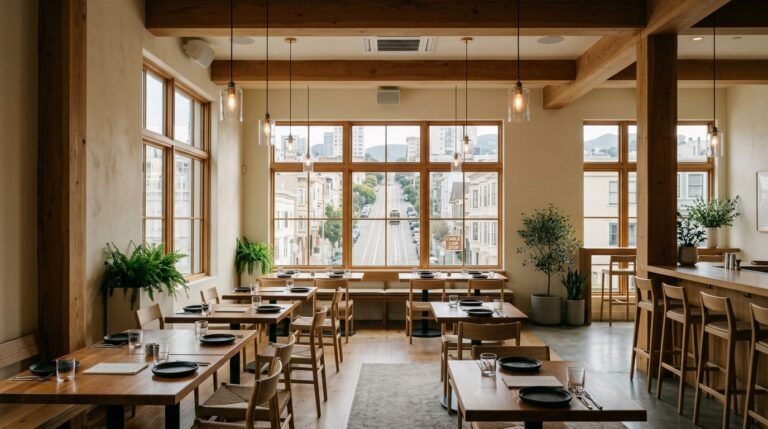

46% of all Google searches have local intent. 76% of people who search for a restaurant nearby visit within 24 hours. Yet most restaurants ignore SEO. This guide fixes that.
In today’s digital landscape, restaurant SEO isn’t optional—it’s essential for survival. When potential customers hungry for your cuisine search “best restaurants near me” or “Italian restaurant [city name],” your establishment needs to appear prominently. Without a solid search engine optimization strategy, you’re invisible to the thousands of potential diners searching for exactly what you offer.
This comprehensive guide walks you through every aspect of restaurant SEO, from optimizing your Google Business Profile to leveraging AI tools for content creation. Whether you’re a fine dining establishment, a casual eatery, or a food truck, these strategies will help you climb the Google rankings and fill your tables.
Rank Higher with AI-Optimized Menus
AI Chef Pro helps you create menu content that ranks on Google and drives orders. 55+ tools for restaurant intelligence.

Why Restaurant SEO Matters — Dominating Local Search
The statistics around local search are compelling, and they tell a clear story: if you’re not investing in restaurant SEO, you’re leaving money on the table.
The Power of Local Intent Searches
Local intent searches—queries like “restaurants near me” or “best lunch [city]”—represent a massive opportunity. When someone searches with local intent, they’re not just browsing; they’re ready to make a decision. The 76% of people who visit a restaurant within 24 hours of searching isn’t a coincidence—these are high-intent customers actively seeking dining options.
What makes this even more critical is the rise of zero-click searches. Many local searches never result in a click because Google displays the information directly in the search results through the local pack, maps, and featured snippets. Your goal is to capture that visibility before competitors do.
Google Maps 3-Pack Domination
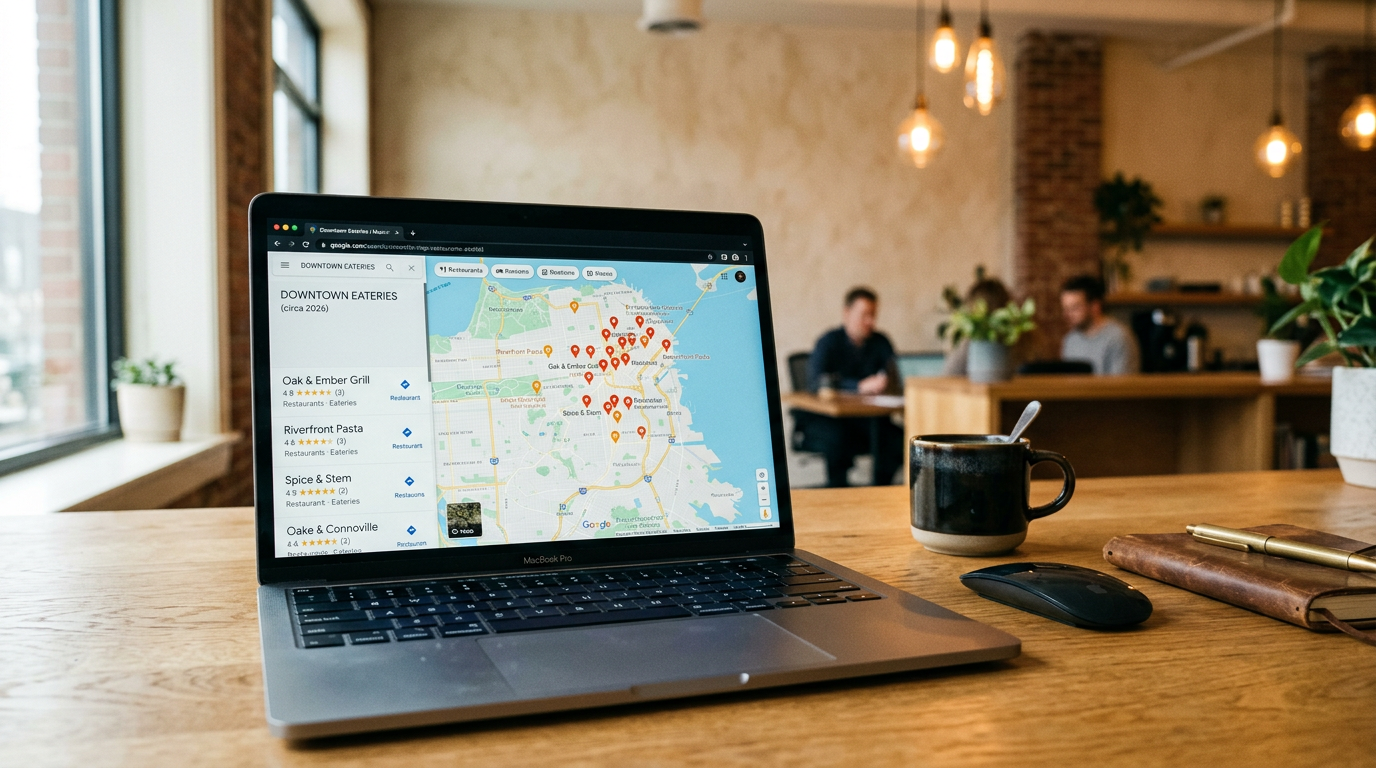
When someone searches for restaurant SEO or related terms, Google displays a “3-pack”—three local business listings shown prominently at the top of search results. These three positions capture the vast majority of clicks, with the first position receiving approximately 44% of all clicks and the second and third positions receiving significantly less.
Achieving a top-3 position requires a comprehensive SEO strategy that includes Google Business Profile optimization, consistent NAP (Name, Address, Phone) information across the web, positive reviews, and relevant content on your website.
The 24-Hour Window
Here’s what makes restaurant SEO uniquely powerful: the immediacy of the customer journey. Unlike other industries where sales cycles might span weeks or months, restaurant decisions happen fast. The 76% visit rate within 24 hours means your SEO investment can translate to immediate revenue.
This immediacy also means that negative reviews or outdated information can hurt you quickly. Staying on top of your online presence isn’t just about growth—it’s about protecting your reputation in real-time.
Google Business Profile Optimization
Your Google Business Profile (GBP), formerly known as Google My Business, is the foundation of your restaurant SEO strategy. It’s free, powerful, and directly influences how you appear in local search results and Google Maps.
Complete Every Single Field
One of the most common mistakes restaurants make is leaving fields blank in their Google Business Profile. Every completed field signals relevance to Google and provides valuable information to potential customers. Ensure you fill out:
- Business name: Use your exact legal name—no keywords, no marketing fluff
- Address: Accurate physical location for dine-in, or service area if delivery-only
- Phone number: Use a local number with area code, not a toll-free number
- Website: Link to your optimized website
- Hours: Operating hours for each day, including holidays
- Attributes: Accessibility features, payment options, dining options
- Description: 750-character business description with relevant keywords
Strategic Category Selection
Choosing the right categories is crucial for restaurant SEO. Google allows one primary category and multiple secondary categories. Your primary category should be your restaurant type (e.g., “Italian restaurant,” “Sushi restaurant”), while secondary categories can include additional services like “Bar,” “Catering,” or “Takeout restaurant.”
Research your categories by searching for terms your customers would use and seeing what categories appear for top-ranking competitors.
Photo Strategy: 30+ Images Recommended
Restaurants with photos receive significantly more clicks and direction requests than those without. Google recommends uploading at least 30 photos to your Business Profile. These should include:
- Exterior shots (day and night)
- Interior dining area photos
- Bar area (if applicable)
- Food photos (highlight signature dishes)
- Team photos (chefs, servers)
- Special features (patio, private dining)
- Menu boards or featured menus
Update your photos regularly—seasonal decorations, new menu items, or renovation updates all provide fresh content for Google to index.
Leveraging Google Posts
Google Posts allow you to share updates directly on your Business Profile. Use them strategically for:
- New menu announcements
- Special events and live music
- Seasonal promotions
- Holiday hours
- Behind-the-scenes content
Each post should include a call-to-action button directing users to your website or to order online.
Google Q&A Section
The Q&A feature on your Business Profile allows potential customers to ask questions publicly. Proactively populate this section with common questions and answers, such as:
- Do you accommodate dietary restrictions?
- Do you take reservations?
- Is there parking available?
- What are your COVID-19 safety measures?
Monitor this section regularly and respond promptly to new questions.
Products and Services
Use the products and services section to list your menu items, pricing, and special offerings. This structured data helps Google understand your offerings and can appear in rich results.
On-Page SEO for Restaurant Websites
Your website is your digital storefront, and Google evaluates dozens of factors to determine its relevance and authority. Here’s how to optimize it for restaurant SEO success.
Title Tags and Meta Descriptions
Every page on your website needs a unique title tag and meta description that includes relevant keywords. For a restaurant, this typically means including your location, cuisine type, and distinctive offerings.
Title tag formula: [Restaurant Name] | [Cuisine Type] in [City] | [Unique Selling Proposition]
Example: The Italian Place | Best Italian Restaurant in Chicago | Fresh Pasta & Wood-Fired Pizza
Keep title tags under 60 characters and meta descriptions under 160 characters to ensure they display fully in search results.
Header Structure (H1, H2, H3)
Proper header hierarchy helps search engines understand your content structure. Use:
- H1: One per page—typically the page title
- H2: Major section headings
- H3: Sub-sections within H2 content
Include your primary keyword in the H1 and naturally incorporate related keywords in H2 and H3 tags.
Schema Markup: Restaurant, LocalBusiness, and Menu
Schema markup is structured data that helps search engines understand your content better. For restaurants, implementing the following schema types is essential:
- Restaurant schema: Specifies cuisine type, menu, price range, and opening hours
- LocalBusiness schema: Provides NAP information, geo-coordinates, and business details
- Menu schema: Structured menu items with names, descriptions, prices, and dietary information
- Review schema: Displays aggregate ratings in search results
- Event schema: For special events, live music, or cooking classes
Implement schema using JSON-LD format, which Google recommends over microdata.
Mobile Optimization
With the majority of local searches happening on mobile devices, your restaurant website must be mobile-friendly. This means:
- Responsive design that adapts to all screen sizes
- Large, tappable buttons for menu and reservation CTAs
- Easy-to-read text without zooming
- Fast loading times on mobile networks
- Click-to-call phone numbers
- Integrated maps for directions
Google uses mobile-first indexing, meaning it primarily uses the mobile version of your site for ranking and indexing.
Page Speed Optimization
Slow websites frustrate users and hurt your rankings. Target a page load time of under 3 seconds. Optimize your site speed by:
- Compressing images without losing quality
- Enabling browser caching
- Minifying CSS and JavaScript files
- Using a content delivery network (CDN)
- Choosing fast hosting infrastructure
- Implementing lazy loading for images below the fold
Local SEO Strategy
Local SEO focuses on optimizing your online presence to attract customers in your geographic area. For restaurants, this is the backbone of your digital marketing strategy.
NAP Consistency
Your Name, Address, and Phone number (NAP) must be consistent across every online listing. Even minor variations—like using “St.” vs. “Street” or including vs. excluding suite numbers—can dilute your local SEO authority.
Create a master NAP record and audit every directory, social profile, and website where your restaurant is listed. Common inconsistencies include:
- Different phone number formats
- Abbreviated vs. full street names
- Varying business names
- Inconsistent city names or ZIP codes
Local Citations and Directory Listings
Local citations—mentions of your business on other websites—build authority and improve local rankings. Focus on high-quality, relevant directories:
| Directory | Importance | Key Features |
|---|---|---|
| Yelp | High | Reviews, photos, menu |
| TripAdvisor | High | Traveler reviews, rankings |
| OpenTable | High | Reservations, reviews |
| Zomato | Medium-High | Delivery, reviews (major markets) |
| High | Reviews, posts, engagement | |
| Apple Maps | Medium | Apple user visibility |
| Bing Places | Medium | Bing search visibility |
Claim and optimize your listings on each platform, ensuring complete profiles with photos, accurate information, and regular updates.
Local Link Building
Backlinks—links from other websites to yours—are a critical ranking factor. For restaurant SEO, focus on earning local links from:
- Local news outlets: Event coverage, grand openings, chef features
- Food blogs and influencers: Restaurant reviews, sponsored content
- Local chambers of commerce: Business directory listings
- Charity events and sponsorships: Event pages linking to your site
- Local food guides and “best of” lists: Recognition listings
- Supplier and vendor relationships: Partner pages
Create shareable content and build relationships with local media and food influencers to earn natural backlinks.
Geo-Targeted Content
Create content that targets your specific location and surrounding areas. This includes:
- Neighborhood-specific landing pages
- Content about local events and festivals
- Guides to dining in your specific city or district
- Collaborations with other local businesses
- Coverage of local food trends and news
Use location-based keywords naturally throughout your content: “best brunch in [neighborhood],” “date night restaurants in [city],” etc.
Content Marketing for Restaurants
Content marketing builds authority, attracts organic traffic, and gives you material to share on social media. A strategic content approach can significantly boost your restaurant SEO.
Blog Strategy for Restaurants
A blog provides endless opportunities to target relevant keywords and establish your restaurant as a local authority. Effective blog topics include:
- Chef interviews and behind-the-scenes features
- Menu item spotlights and cooking techniques
- Seasonal ingredient stories and sourcing information
- Wine and cocktail pairing guides
- Restaurant history and brand storytelling
- Industry news and food trends commentary
Aim for 800-1500 words per blog post, with natural keyword integration and valuable information for readers.
Recipe Content
Publishing recipes from your kitchen serves multiple purposes:
- Targets food-related keywords
- Showcases your culinary expertise
- Provides shareable content for social media
- Encourages return visits from home cooks who want the full experience
Include high-quality photos of each step, detailed instructions, and stories about how the dish came to be on your menu.
Local Guides
Create comprehensive guides about dining in your area. Examples include:
- “The 15 Best Restaurants for Date Night in [City]”
- “A Foodie’s Guide to [Neighborhood]”
- “Where to Find the Best [Cuisine Type] in [City]”
- “Top Brunch Spots in [Area]: Our Favorites”
These guides attract local search traffic and can earn backlinks from other local websites and directories.
Event Coverage
If your restaurant hosts events—live music, wine tastings, cooking classes, private parties—create content around them. Event coverage provides fresh content opportunities and targets people searching for entertainment options.
Post-event content with photos and recaps also gives you material to share long after the event ends.
Behind-the-Scenes Content
Customers love getting a glimpse behind the kitchen doors. Content showcasing your team, your process, and your personality builds connection and trust:
- Chef profiles and kitchen tours
- Day-in-the-life content
- Supplier and farmer features
- Prep process time-lapses
- Team celebration posts
This humanizes your brand and
Content Marketing for Restaurants: Building Your Digital Food Story
Content marketing transforms your restaurant’s website into a destination rather than just a digital brochure. When executed strategically, it attracts food enthusiasts, builds authority, and drives reservations without paid advertising.
Blog Topics That Drive Traffic
Your blog should answer questions your potential customers ask daily. Menu deep-dives explaining ingredients, sourcing, and preparation methods appeal to curious diners. Behind-the-scenes content featuring your chef, kitchen team, or daily prep work humanizes your brand. Seasonal menus deserve dedicated coverage—announcing autumn specials or summer refreshments captures timely search intent.
Local food guides position you as the neighborhood expert. Write about “Best Brunch Spots in [Your City]” or “Where to Find Authentic [Cuisine Type] in [Neighborhood].” While this seems counterintuitive, including competing restaurants builds community credibility and often earns backlinks from local publications.
Visual Content Strategy
Restaurants live or die by visuals. Photography should showcase your signature dishes in natural lighting, capture the ambiance during different service times, and highlight your team’s passion. Video content performs exceptionally well—behind-the-scenes kitchen footage, chef interviews, and time-lapse preparations of signature dishes keep visitors engaged longer.
User-generated content amplifies your reach organically. Encourage diners to share photos with a branded hashtag. Repost (with permission) on your social channels and website. This social proof signals authenticity to both Google and potential customers.
Content Calendar Framework
Consistency matters more than volume. A realistic content calendar might include weekly blog posts, bi-weekly social media features, and monthly comprehensive guides. Align content with your business cycles—promote Valentine’s Day reservations in January, summer patio dining in May, holiday party packages in October.
Each piece of content should target specific keywords naturally. Integrate location-based terms (“Italian restaurant in Downtown [City]”), cuisine types, and dining occasions (“date night,” “business dinner,” “family celebration”).
Your Menu Is Your Best SEO Asset
AI Chef Pro helps you build menus optimized for both profitability and search visibility. Recipe content, pricing, descriptions — all AI-powered.
Review Management: Your Online Reputation
Online reviews directly influence purchasing decisions and search rankings. Google confirms that review quantity and quality affect local pack visibility. A strategic approach to reviews transforms customer feedback into a competitive advantage.
Proactive Review Generation
The best time to request reviews is immediately after a positive experience. Train staff to recognize satisfied customers and mention review opportunities naturally. Digital receipt follow-ups work well—include direct links to Google and TripAdvisor with a simple “We’d love your feedback” message.
Make leaving reviews easy. Create printed cards with QR codes linking directly to your Google Business Profile review form. Position these strategically at checkout or on tables.
Responding to Reviews Professionally
Response timing matters. Aim to respond within 24-48 hours. Positive reviews warrant genuine gratitude—mention specific dishes or visits to personalize the response. Negative reviews require empathy without defensiveness. Acknowledge the experience, apologize genuinely, and invite offline conversation to resolve specifics.
Never use templates verbatim. Google penalizes businesses appearing to use automated responses. Each reply should feel personal and specific to the individual review.
Handling Negative Reviews
Negative reviews, handled correctly, can actually build trust. Transparency signals authenticity. Respond professionally, offer to make things right, and take the conversation offline. Prospective customers seeing thoughtful responses to criticism often trust businesses more than those with only perfect ratings.
If reviews violate platform policies (fake reviews, competitors, off-topic), report them for removal. Focus your energy on generating authentic positive reviews rather than fighting unfair negatives.
Technical SEO Checklist for Restaurants
Technical SEO ensures search engines can crawl and index your site effectively. Many restaurants overlook these fundamentals, losing visibility despite excellent content and location optimization.
Essential Technical Requirements
Site Speed Optimization: Restaurant websites must load in under three seconds. Optimize images by compressing them without quality loss. Enable browser caching and consider a content delivery network (CDN) if your hosting is slow.
Mobile-First Design: Over 60% of local searches happen on mobile devices. Your site must display perfectly on smartphones—large tap-friendly buttons, readable text without zooming, and simple navigation.
SSL Certificate: Google marks non-HTTPS sites as “not secure.” This damages trust and rankings. Every restaurant site needs SSL, and it’s typically free through hosting providers.
Structured Data Markup: Implement Schema.org markup for restaurant-specific elements: menu items, opening hours, address, and aggregate ratings. This helps Google display rich snippets showing menus, prices, and ratings directly in search results.
Local SEO Technical Foundation
Ensure NAP (Name, Address, Phone) consistency across your entire web presence. Every directory listing, social profile, and website mention must match exactly. Inconsistencies confuse search engines and dilute local ranking authority.
Create a dedicated contact page with embedded Google Maps. Include your complete address, phone number, hours of operation, and parking information. This page should contain your location-based keywords naturally.
Submit your XML sitemap to Google Search Console. This free tool alerts you to crawl errors, indexing issues, and keyword performance. Every restaurant website should be registered.
AI Tools for Restaurant SEO: Working Smarter
Artificial intelligence revolutionizes how restaurants approach digital marketing. From content creation to competitive analysis, AI tools automate time-consuming tasks while improving results.
AI Chef Pro (available at https://aichef.pro/en) offers over 55 specialized tools designed specifically for foodservice professionals. For SEO specifically, the platform provides AI-powered content generation optimized for local search, automated review response suggestions, keyword research tailored to the hospitality industry, and menu description writing that incorporates relevant keywords naturally.
The tool’s content generator understands restaurant-specific terminology and local SEO requirements. It creates blog posts, social media captions, and website copy that sounds authentic to the industry while incorporating strategic keywords. The review response assistant suggests personalized replies based on review sentiment and restaurant tone guidelines.
Additional AI applications for restaurant SEO include image optimization tools that automatically compress and alt-tag food photography, chatbot implementations for 24/7 reservation inquiries, and predictive analytics identifying optimal posting times and content topics based on audience engagement patterns.
AI doesn’t replace human creativity—it amplifies it. Use these tools to handle repetitive tasks, then apply human judgment for strategy, brand voice, and customer relationships.
Frequently Asked Questions
How long does restaurant SEO take to show results?
Should I hire an SEO agency or handle it in-house?
How important are reviews for restaurant SEO?
What SEO mistakes should restaurants avoid?
How often should I update my restaurant website?
Can social media impact my Google rankings?
Conclusion: Your Restaurant Deserves to Be Found
Restaurant SEO isn’t a one-time project—it’s an ongoing investment in your business’s visibility and success. Every optimization you make compounds over time, creating sustainable organic traffic that continues delivering results long after the work is done.
The fundamentals covered in this guide—Google Business Profile optimization, on-page SEO, content marketing, review management, and technical foundations—create a comprehensive framework for local search success. Start with quick wins like GBP optimization and review responses, then build toward comprehensive content and technical strategies.
Remember that SEO serves your customers first. When you optimize for search engines, you’re ultimately making it easier for hungry diners to find exactly what your restaurant offers. Great food deserves to be discovered—make that discovery possible with strategic SEO.
Ready to elevate your restaurant’s digital presence? AI Chef Pro provides over 55 AI-powered tools specifically designed for foodservice professionals. From generating SEO-optimized content to managing reviews and analyzing competitors, our platform handles the heavy lifting so you can focus on what you do best—creating exceptional dining experiences.
AI Chef Pro — Empowering chefs and restaurants with intelligent solutions for the modern foodservice industry.
Related Reading
- Restaurant Technology 2026: The Definitive Guide
- AI Menu Pricing Strategy: Data-Driven Restaurant Pricing
- Restaurant Profit Margins Explained
- Ghost Kitchen Guide 2026
- Best Restaurant Management Software 2026
- Restaurant Food Waste: 12 AI Strategies
- Restaurant Marketing Strategy 2026
Discover more from AI Chef Pro Blog
Subscribe to get the latest posts sent to your email.